Playful exhibition design is a method, not a children's add-on
Margaret Middleton's MuseumNext essay argues adults play too. The V&A's Alice exhibition is her lead example.
Margaret Middleton spent the first half of a long museum career in children's museums and now works as a consultant, mostly with museums built for adult learning. Her October 2024 MuseumNext essay carries one idea across: the Playwork definition of play as freely chosen, personally directed and intrinsically motivated, which she says adults enjoy as much as children when a museum allows it.
She links this to access. People learn in many ways, she writes, and the expected museum behaviour of standing quietly and reading suits only some of them. Designers working from disability justice and decolonial frameworks are widening that expectation. Her essay groups playful strategies into immersion, multisensory experience and social interaction, with a named example for each.
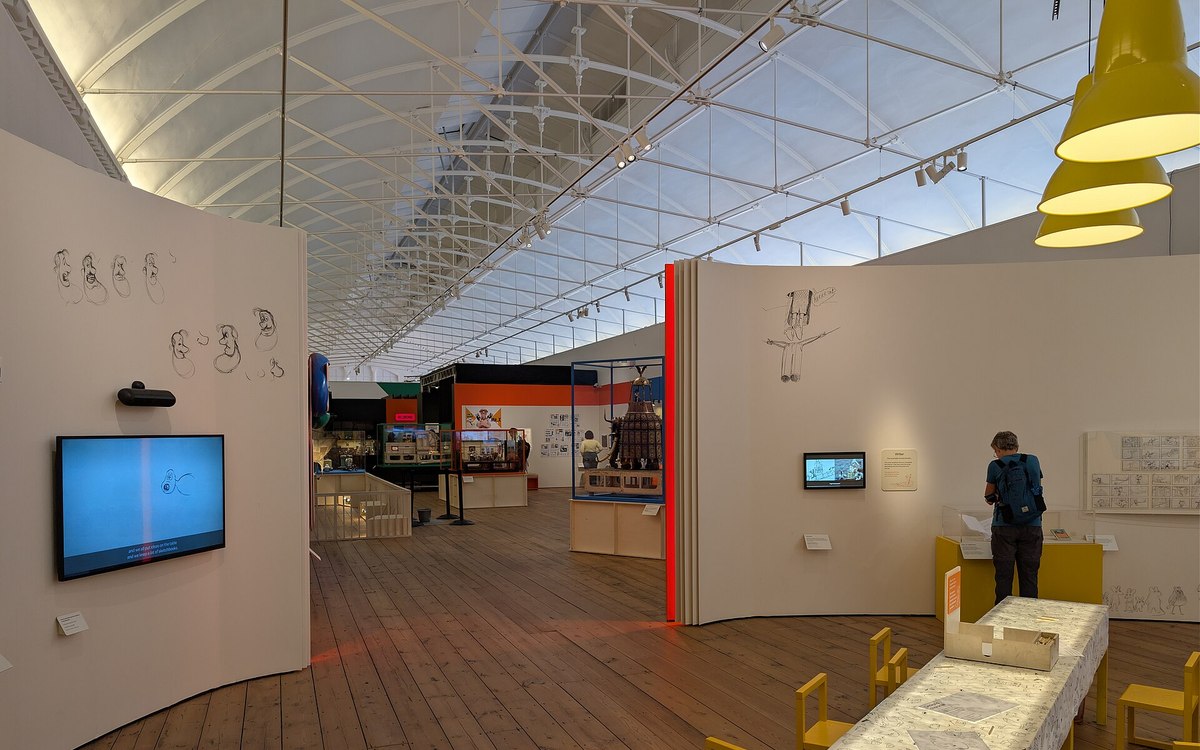
The immersion example is Alice: Curiouser and Curiouser at V&A South Kensington in 2021. The V&A describes it as an immersive and theatrical journey into Wonderland through 157 years of the story's adaptations and reinventions. Studio ZNA, whose project page covers the design, describes an immersive and fantastical show. Middleton's point is that the in-between spaces got the same attention as the main galleries, so the whole route felt designed.
MuseumNext dates that exhibition to 2021, so check the V&A site for its current status before planning a visit. What a museum team can take from it is a test. Walk the route and note every moment where a visitor is told what to do, then note every moment where they get to choose. The second list is where Middleton's examples work.
Her essay is a personal view from practice, not a study, and the examples are hers. Read it as a set of prompts for design meetings, then check each idea against your own visitors. More coverage is on the exhibitions desk and the community desk.